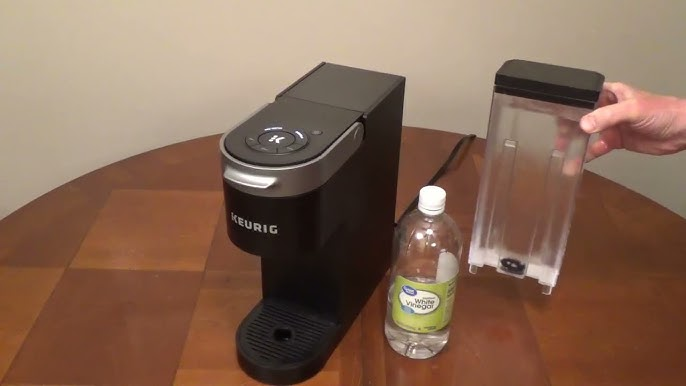
Your Keurig makes mornings simple, right up until the day it slows down, brews half a cup, or lights up with a descale warning. That sluggish, sputtering performance almost always comes from scale, a chalky buildup left behind by the minerals in your water. Most cleaning guides send you straight to the vinegar bottle, but that sharp smell hangs around, sometimes sneaks into your next few cups, and leaves your coffee tasting a little off.
The good news is that vinegar is not your only option, and it is far from the best one. This guide breaks down how to descale a Keurig without vinegar using safe, everyday items that clean just as well and leave no lingering odor. You will learn which method works best, how to do it step by step, and how to keep scale from coming back.
What Scale Is and Why It Builds Up in Your Keurig
Scale is a hard, off-white mineral deposit, mostly calcium and magnesium, that forms when water is heated again and again. Every time your Keurig warms water to brew, tiny mineral particles separate out and cling to the inside of the tank, the heating element, and the narrow tubes that carry water to your cup. As the layer grows, it chokes the flow of water, throws off the brewing temperature, and slowly wears the machine down. If you live in an area with hard water, this happens faster, which is exactly why regular descaling matters so much.
Signs Your Keurig Needs Descaling
You do not have to wait for the descale light to know it is time. Watch for these clues:
- Brewing takes noticeably longer than it used to
- Your cup comes out only partly full
- The machine is louder or sputters during a brew
- Coffee tastes flat, bitter, or simply different
- The descale indicator light stays on
- The Keurig takes extra time to heat up
If you notice two or three of these together, your machine is overdue for a clean.
How Often Should You Descale a Keurig
For most homes, every three to four months is a solid rhythm. If you have hard water or brew several cups a day, move that up to every two to three months. A machine that has been sitting unused for weeks also deserves a descale before you start brewing again, since standing water can leave deposits and even grow mold inside the reservoir.
How to Descale a Keurig Without Vinegar: The Best Methods
There are four reliable ways to clear scale without touching a drop of vinegar. They are listed from most effective to gentlest, so pick the one that matches how much buildup you are dealing with.
Method 1: Citric Acid (Best Overall)
Citric acid is the active ingredient in most store-bought descalers, so it is the closest thing to a professional clean you can do at home. It is odorless, inexpensive, and works fast. You will usually find it in the canning or baking aisle, or online.
- Unplug the machine, then remove and empty the water reservoir. Take out the water filter if your model has one.
- Dissolve one to two tablespoons of citric acid powder in about four cups of warm water.
- Pour the mixture into the reservoir.
- Place a large mug on the drip tray and run a brew cycle with no pod. Pour the hot water into the sink, then repeat until the reservoir is empty.
- Let the machine rest for about thirty minutes so the acid can break down stubborn deposits.
- Rinse thoroughly using the steps in the rinse section below.
Method 2: Store-Bought Descaling Solution
If you would rather skip mixing anything yourself, a ready-made descaling solution is a safe bet, including the official one sold by the manufacturer. These are usually citric acid based and come with clear instructions for each model. When you are unsure about your exact machine, the manufacturer’s official descaling guide is the most reliable reference, and you can follow it step by step.
Method 3: Lemon Juice
Lemon juice works much like citric acid because it is naturally acidic, and it smells far nicer than vinegar. Mix equal parts lemon juice and water, fill the reservoir, and run cycles without a pod until it empties. This method is best for light to moderate buildup. Use bottled or freshly strained juice so no pulp clogs the machine.
Method 4: Baking Soda (Light Cleaning Only)
Baking soda is gentle, so treat it as a maintenance clean rather than a deep one. Dissolve about one quarter cup of baking soda in the reservoir filled with warm water, run it through a full cycle or two, then rinse well. It freshens the machine and lifts light residue, but it will not cut through heavy scale the way citric acid does.
Never Skip the Rinse Cycle
Whichever method you choose, rinsing is the step most people rush, and it is the one that protects the taste of your coffee. Refill the reservoir with fresh, clean water and run cycles with no pod until the tank is empty. Do this two to three times. If you still catch any scent or taste from the cleaner, run one more round. Only then should you pop in a pod and brew.
How to Keep Your Keurig Scale-Free Longer
A little upkeep stretches the time between deep cleans:
- Use filtered or bottled water instead of hard tap water
- Empty the reservoir if the machine will sit unused for a while
- Replace the built-in water filter every two months
- Wipe the reservoir with mild soapy water once a week
- Stick to a regular descaling schedule so buildup never gets ahead of you
Keeping your coffee maker fresh is part of the same routine as caring for the rest of your home. If you enjoy small touches that keep a space feeling clean and put together, take a look at these ideas for refreshing your dining area. You can also find plenty more practical fixes in the home and garden section.
Mistakes to Avoid
A few common slip-ups can quietly undo your hard work:
- Reaching for apple cider vinegar as a swap. It is still vinegar, so it carries the same smell and aftertaste.
- Skipping the rinse and ending up with a cleaner taste in your coffee.
- Using too much baking soda, which can leave a gritty residue if it does not fully dissolve.
- Ignoring the descale light for weeks, which lets buildup get much worse.
- Forgetting to remove the water filter before you start, since the cleaner can damage it.
Frequently Asked Questions
Can you really descale a Keurig without vinegar?
Yes. Citric acid, lemon juice, baking soda, and store-bought descaling solutions all remove scale without any vinegar, and most of them work faster and smell better.
What is the best vinegar alternative for descaling?
Citric acid is the top choice. It is the same ingredient found in most commercial descalers, it is odorless, and it clears heavy buildup with ease.
How long does citric acid take to descale a Keurig?
Plan for about forty five minutes to an hour, including the rest period. The active soak is around thirty minutes, followed by a few rinse cycles.
Will the descale light turn off on its own?
Usually yes, once the machine senses that scale is cleared and you have rinsed. Some models need a simple reset, which your user guide will explain.
Can I clean a Keurig with just water?
Plain water rinses away loose residue and freshens the reservoir, but it cannot dissolve mineral scale. For that, you need something mildly acidic like citric acid or lemon juice.
Final Thoughts
Descaling does not have to mean a kitchen that smells like a pickle jar. Now that you know how to descale a Keurig without vinegar, you can keep your machine running smoothly with items you probably already have on hand. Citric acid is your best friend for a deep clean, lemon juice and baking soda cover the lighter jobs, and a good rinse ties it all together. Stick to a simple schedule, use cleaner water where you can, and your morning cup will taste the way it should. For more easy home and lifestyle guides, explore more from Media Submit.